

For decades, women have been taught to examine their breasts regularly, searching for lumps or other signs of breast cancer. The message has been that finding cancer early could save your life.
While...

Many women experience breast pain. In fact, breast pain (also known as mastalgia or mastodynia) is one of the most common reasons women seek care for breast concerns. The burning question that most wo...

Sunlight is a nutrient.
You may not consume it the way you consume vitamins, minerals, or food, but light is one of the essential environmental signals your body was designed to receive. It helps reg...
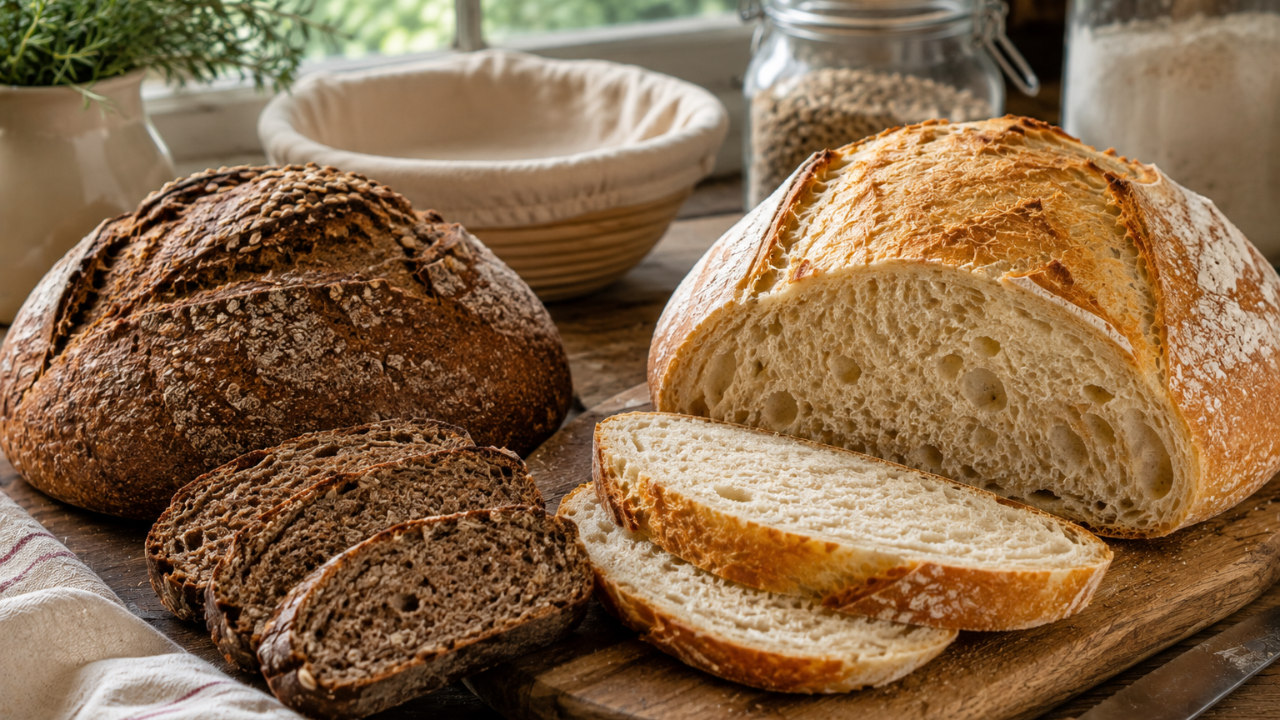
What is Gluten?
Almost everyone today is aware of gluten. In case you’re not, gluten is a name for the two proteins — gliadin and glutenin — found in certain grains such as wheat, rye, and barley. (I...
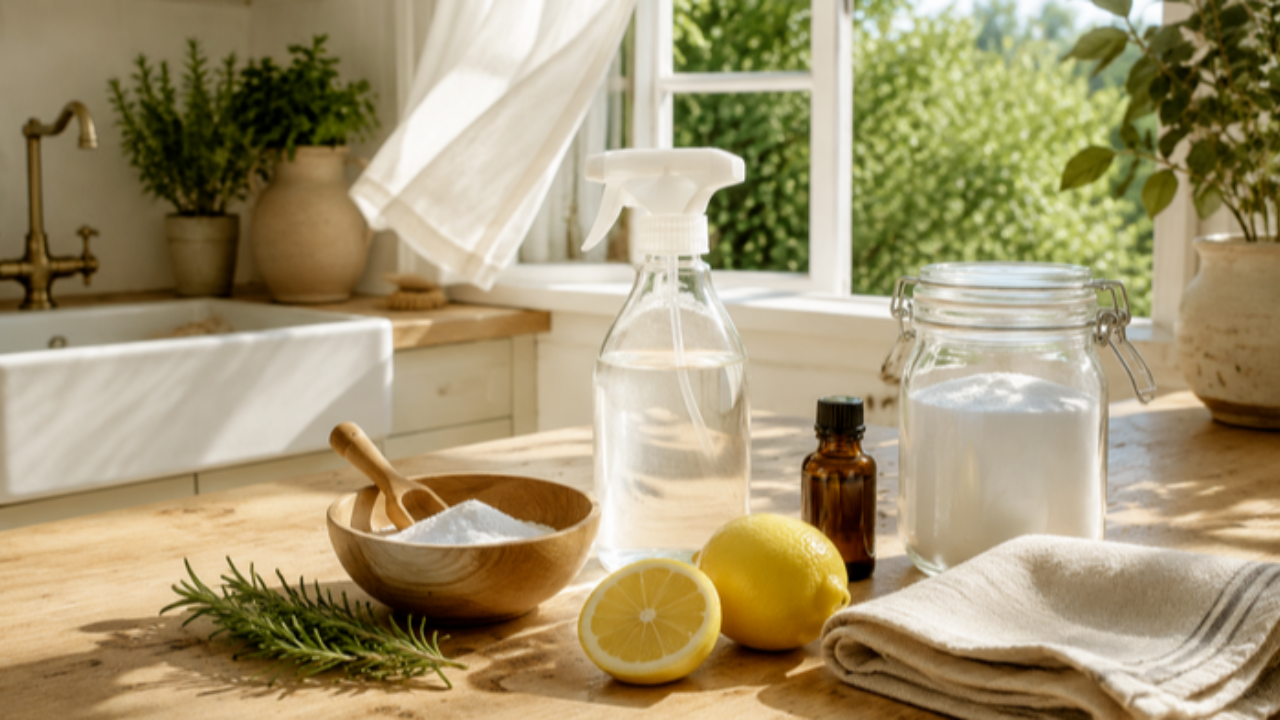
Your home should be a sanctuary. But the products we reach for to keep it clean can quietly work against that goal. Independent testing keeps finding that everyday cleaning products release a surprisi...
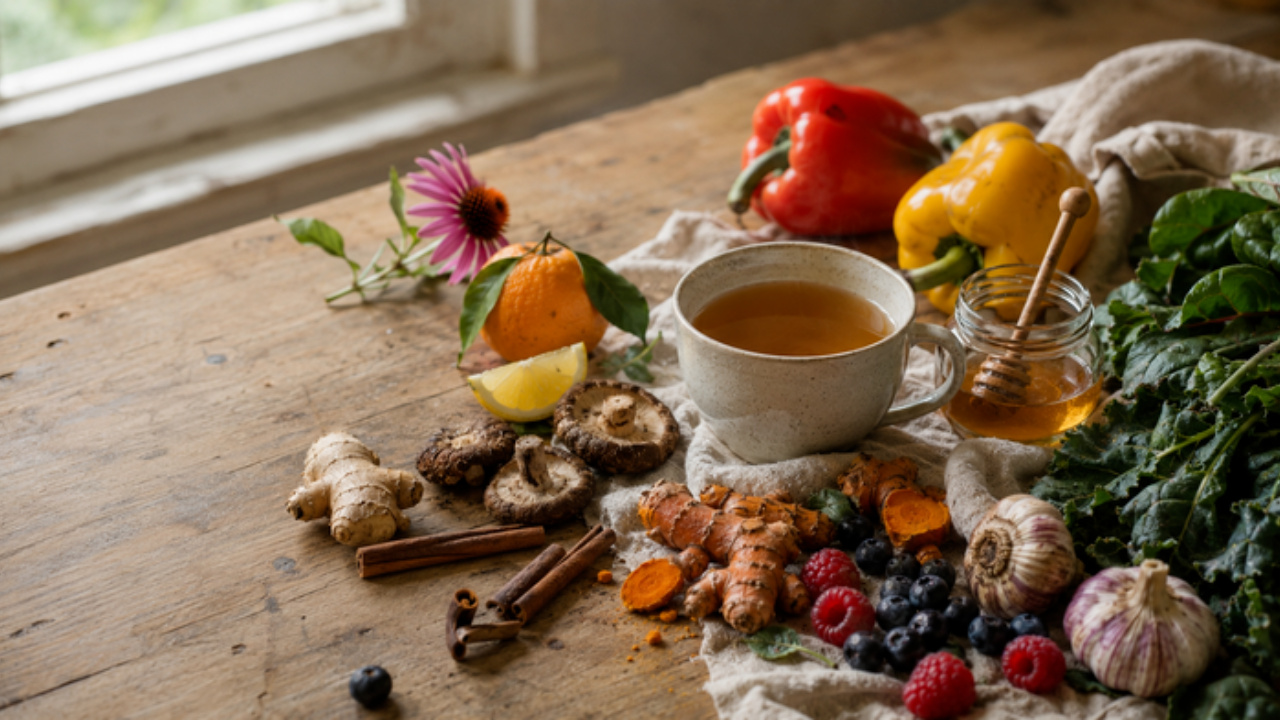
When it comes to staying healthy, I believe in prevention first. By prevention, I don't mean vaccines and screening tests. I believe in cultivating true health from the inside out by adopting healthy ...
Magnesium is the most important mineral in your body. It regulates more than 325 enzymes, which produce, transport, store, and utilize energy. Magnesium regulates many crucial aspects of cell metaboli...

Frozen shoulder is a very common occurrence in women between the ages of 40-60 years. The medical term for frozen shoulder is adhesive capsulitis (AC). The symptoms include stiffness, pain, and limit...
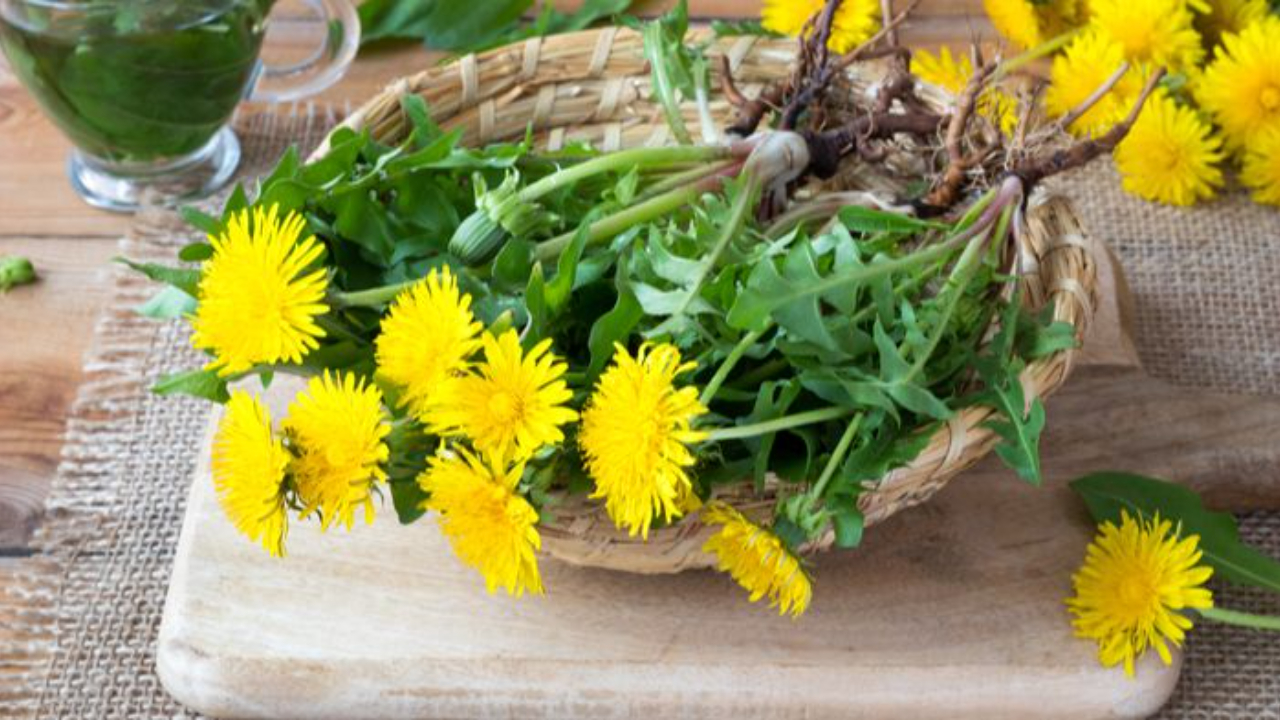
If you have ever maintained a yard or garden for any period of time you have most likely encountered dandelions. It seems like just when everything else is looking good, there they are. You try to pu...

One of the biggest challenges women face is learning how to care for themselves while caring for others. It requires a delicate balance between what often feels like polar opposites. I’ve spent a life...
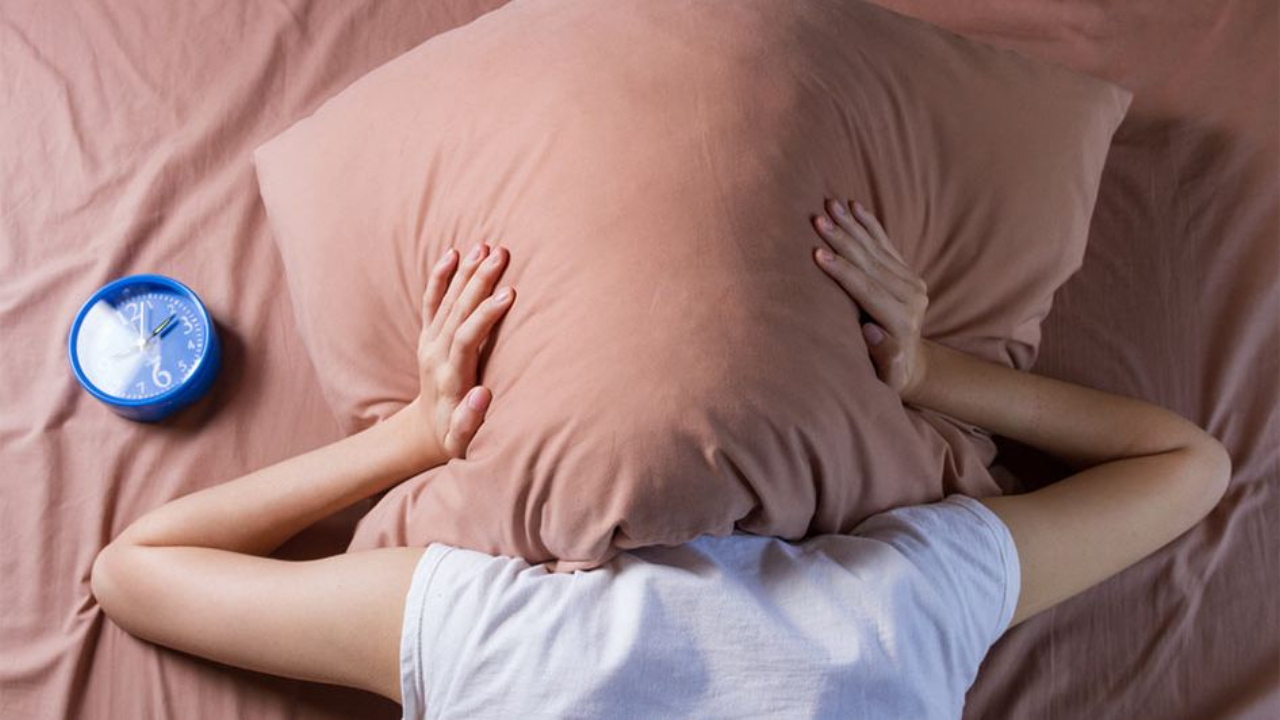
One of the most common complaints I hear from women is that they have too much to do and not enough time to get it all done. When this is a temporary situation and if you are healthy, your adrenal gla...
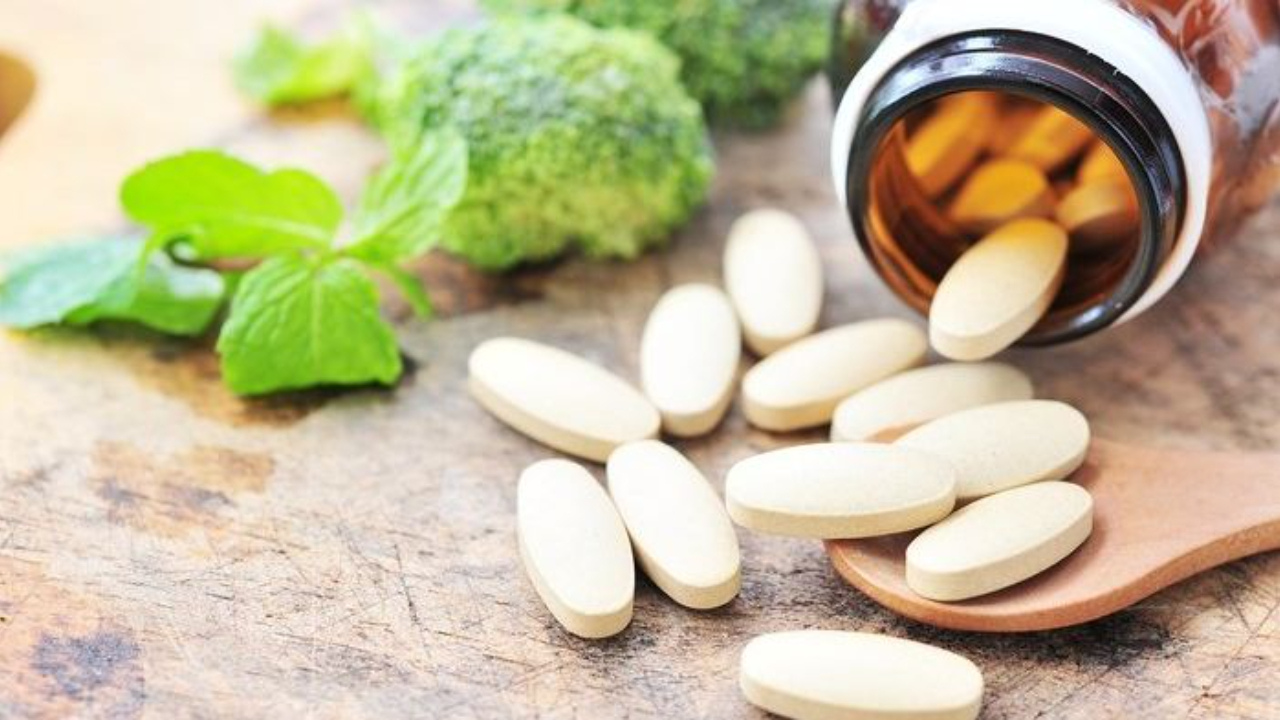
I rarely devote an entire blog to a single therapy. And when it comes to treating symptoms, I have never believed in magic bullets. But, if anything comes close, it’s good old vitamin C.
Vitamin C (...
Author

Sign up for my free e-newsletter
Join my email list and stay connected with my latest insights, practical guidance, and fresh perspectives on women’s health, menopause, nutrition, healthy aging, and your body’s innate wisdom. And when you join, you’ll receive a free audio chapter from my bestselling book Dodging Energy Vampires, “The Causes of Health.”