
Natural Ways to Stay Healthy All Year Long
Aug 05, 2026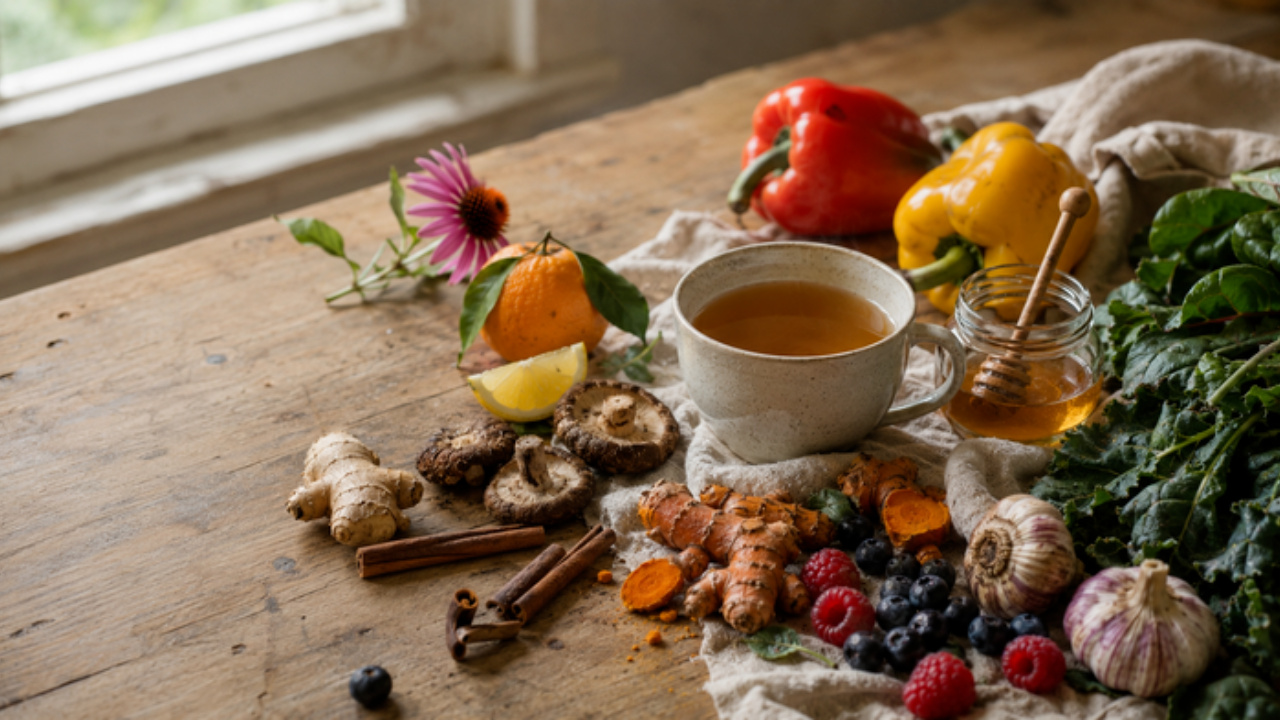
When it comes to staying healthy, I believe in prevention first. By prevention, I don't mean vaccines and screening tests. I believe in cultivating true health from the inside out by adopting healthy habits such as proper diet and exercise, an enjoyable family and social life, and a personal spiritual practice.
Yet, even healthy people sometimes get sick. And with “cold and flu season” approaching I want to share some of the best ways I know to stay healthy naturally and some natural ways you can treat symptoms so you can recover quickly if you do get sick.
10 Ways to Avoid Getting Sick
- Maintain gut health. Much of that health starts in a place you might not expect: your gut. In fact, about 80 percent of your immune system lives in your gut microbiome, so nourishing it is one of the most powerful things you can do for your overall health.Because so much of your immunity lives in your gut, feed it well.In the cooler months, it can be tempting to load up on comfort foods. And I’m all for nourishing yourself emotionally, but it’s important not to forget healthy eating habits altogether. Eat a wide variety of colorful fruits and vegetables, dark leafy greens, and berries, along with immune-supporting foods like onions and raw garlic. A high-fiber, plant-rich diet helps a diverse microbiome flourish. Add fermented foods with natural probiotics — yogurt, kefir, sauerkraut, kimchi — and cook with antimicrobial spices such as ginger, cumin, turmeric, oregano, and cinnamon.When you want to indulge in rich foods, try high-quality dairy, nuts and seeds, organic meats and fatty fish, and healthy fats.
- Take vitamin D. Many of us run low on vitamin D, especially in the darker months, and it plays an important role in supporting immune function and bone health and can help prevent seasonal affective disorder. I recommend having your level checked so you and your healthcare provider can decide whether a supplement makes sense and at what dose. Home test kits are available through organizations like GrassrootsHealth. You can hear more of my thoughts in my podcast, Vitamin D: What's the Optimal Range? If you have low vitamin D, you may consider taking 5,000 IU per day of a high-quality vitamin D supplement, and continue to monitor your levels. Remember, it’s still important to get as much natural light as you can. This will help you maintain a positive attitude, which will help boost your immune system.
- Wash your hands properly. Simple, and still one of the best defenses there is. Use soap and warm water and scrub for at least 20 seconds, including the backs of your hands, between your fingers, and under your nails.Then dry your hands thoroughly. Don’t go overboard with the antibacterial soap and hand sanitizer, and don’t allow yourself to get all “germ obsessed.” When your immune system is healthy, it will support your health.
- Take a multivitamin-mineral supplement. In addition to taking vitamin D, a good multivitamin mineral supplement can help boost your immune system and keep you feeling good. Be sure to look for a high-quality supplement that contains vitamins A and C, along with the minerals, zinc, and selenium, plus adequate magnesium and the amino acid L-carnitine. Glutathione is an important immune-enhancing antioxidant that has been shown to help support your liver, the organ primarily responsible for detox in your body. Turmeric is a great free radical scavenger and does double duty to improve joint and cardiovascular health. If you're under a lot of stress, adaptogens like ashwagandha may help support your body's stress response.Remember, vitamins are not magic bullets, but they can help support your body when used properly. Take the supplements that feel right for your body, and remember that what is right for you now may change, so trust your intuition.
- Get adequate sleep. Your body does much of its repair work while you sleep, and quality sleep gives your immune system real support. Adequate sleep is important for your brain and every organ in your body. When I feel like I am getting sick, sleep is my number one remedy because it allows my body to repair. As the days get shorter, take your cue from the sun and go to bed earlier. (You can benefit from doing this even if you are not feeling sick.) Limit caffeine, avoid alcohol, and turn off the television, computer, and phone at least 1 hour before going to bed. Here are some more ways to get a good night’s sleep.
- Clean frequently touched surfaces. Cell phones, keyboards, and doorknobs collect germs, and some viruses can linger on hard surfaces for a day or more. You can easily clean your phone with an antibacterial microfiber cloth and spray cleanser suited for your device. Also, don’t use other people’s devices if you can avoid it.
- Keep your sinuses moist. Dry winter air is hard on nasal passages. Keeping your nasal passages moist can help prevent symptoms such as pain and nose bleeds and can even help prevent colds. An easy way to keep your sinuses moist and healthy is to use a saline rinse — a NeilMed Sinus Rinse, a saline nasal spray, or a neti pot with a pinch of Himalayan neti salt. Another way to keep your sinuses healthy this winter is to use humidifiers to keep the air in your environment moist.
- Exercise regularly. Movement is one of the best all-around supports for your health and your mood. Regular exercise strengthens your immune system. It also makes you feel good. If the winter months make you less likely to get outside for exercise, try doing an indoor workout. There are so many at-home workouts that you can do without owning any gym equipment. Just look on YouTube or other websites for inspiration and routines. You can also try group exercise classes, which not only will keep you moving but will help you stay connected to others and is another great way to strengthen your immune system.
- Use saunas. Many people find regular sauna time a relaxing, restorative ritual, and research has linked frequent sauna bathing to cardiovascular and general health benefits. In addition, infrared saunas have even been shown to help prevent a cold from getting worse. One of the reasons is that a sauna-induced fever may stimulate the immune system to increase production of white blood cells and antibodies. If you have one available, enjoy it — just remember to stay hydrated.
- Exhale. This is not science but common sense. If you see someone coughing and sneezing around you, don’t inhale. Try to slowly exhale until you are well out of range of the possible contaminants—about 10 feet.
Natural Ways to Speed Recovery If You Get Sick
When I get a cold or the flu, it’s usually because I’ve been overdoing things and not getting enough quality sleep. The first thing I do if I become sleep deprived is to allow my body the time to recover. In addition to getting much-needed rest, I like to use the remedies I can find in my kitchen rather than take medicines if I don’t really need to. And you can, too. For example, the B.R.A.T. (bananas, rice, apple sauce, toast) diet is good if you are recovering from an upset stomach or diarrhea. And adding spices to your food can help ease nasal congestion. These are just a couple of ways you can feel better faster.
Here are 9 more easy ways you can recover naturally from common ailments:
- Homeopathy. Homeopathic remedies work with your body to help it heal on a deep, energetic level. For colds and flu-like symptoms, try oscillococcinum. This works whether or not you have been officially diagnosed with the flu to relieve some of the worst symptoms, including fever, congestion, sore throat, and body aches. You can find oscillococcinum at Whole Foods and many drugstores. I also recommend having a homeopathic emergency kit on hand. You can find these online at www.a2zhomeopathy.com. Usually, the 30C kit is all you need.
- Vitamin C. Vitamin C can do wonders to help you recover from a virus. I keep 1,000 mg capsules of ascorbic acid in my home at all times and take it the minute I feel a sore throat or runny nose coming on. I recommend taking 1,000–2,000 mg every hour or so until you reach what is called “bowel tolerance.” At this point, you begin to have loose stools, which means your body is saturated with vitamin C. The amount of vitamin C it takes to get to this point varies. Lean into vitamin C–rich foods — citrus, peppers, berries, kiwi, and leafy greens — which deliver vitamin C along with other antioxidants that help your immune system do its job. Because vitamin C is water-soluble and your body doesn't store much of it, it's worth working a little into your meals every day.
- Echinacea. Echinacea (purple coneflower) has been used for centuries at the first hint of a cold. It's a long-standing herbal favorite and studies show it can reduce the duration of a cold.In addition, echinacea may help prevent the common cold.
- Herbal teas. Green tea is a cozy, antioxidant-rich choice that can support immune function; add lemon to help thin mucus and a spoonful of honey to soothe a scratchy throat and fight bacteria that cause infection . Elderberry tea is a seasonal favorite. It’shigh in antioxidants and can help fight flu symptoms and shorten the duration by several days. Simply simmering fresh grated ginger in hot water makes a wonderful, warming "hot sip."
- Mushrooms. Culinary mushrooms — shiitake, maitake, oyster, lion's mane, porcini, and others — are nutritious, contain prebiotic fiber that feeds your microbiome, and are a staple of traditional wellness traditions. Wonderful in soups and sautés. Mushrooms have been used in traditional Chinese medicine (TCM) for centuries to treat a variety of illnesses, maintain health, and prevent disease. Mushrooms are a true superfood. They are prebiotic, so they can improve your microbiome. In addition, mushrooms are a great source of vitamin D. And certain mushrooms are high in antioxidants, such as ergothioneine and glutathione. Some of the best mushrooms to add to your diet to boost immunity include porcini, golden oyster and oyster, pioppini, lion’s mane, maitake, and shiitake. But adding just about any edible mushrooms to your diet can help improve your health.
- Chicken soup. There's real comfort — and a little science — in a good bowl of chicken soup. Chicken soup contains an amino acid (L-cysteine) that can ease bronchial symptoms much like acetylcysteine, a drug used to treat bronchitis, asthma, and other lung diseases. It's hydrating, replenishes electrolytes, and simply makes you feel cared for.
- Gargle with salt water. Warm salt water can be genuinely soothing for a sore, scratchy throat. And it may actually kill viruses and bacteria in your throat.
- Do nothing. There are times when you should not treat symptoms. A low-grade fever is one of the ways your body does its work. Fevers can clear your body of viruses and bacteria. If you have a fever under 102°F, avoid the urge to treat it. You may be uncomfortable for a day or two, but allowing your body to work the way it was designed is often the best thing. Plus, many women will treat a fever then go about their day as they normally would. Avoid doing this! Your body needs rest to recover from illness so give yourself permission to rest rather than push through it. Do check in with your healthcare provider for a high or persistent fever, and especially for young children, older adults, or anyone managing a health condition.
- Consider nitric oxide. Nitric oxide is sometimes called the "miracle molecule" — a signaling gas that affects nearly every organ and system in your body. Some studies suggest it may play an important anti-inflammatory and antiviral role in preventing colds and easing their symptoms; in one, nitric oxide inhibited rhinovirus-induced inflammation and viral replication in human respiratory cells. A review on nitric oxide and the common cold likewise notes that higher nitric oxide levels are associated with fewer cold symptoms and more rapid clearance of viral infections.
7 Ways to Avoid the Fear
Staying well isn't only physical. How you tend your mind and spirit matters just as much — and in a world of constant alarming headlines, protecting your peace is its own kind of immune support. The stories about new viruses and pandemics are just the latest fear tactics being spread, and it does not have to be your reality.
Know that those who gain more power and money pushing the crisis narratives, will continue to do so as long as there are people who continue to listen. And the truth is fear and anxiety can make you sick!
Here are some ways to rise above the fear, feel empowered and in charge of your own body, and stay healthy through anything:
- Choose your inputs carefully. You don't have to marinate in a nonstop stream of fear-based media. Notice how much of it you're taking in, and give yourself permission to step away, unplug, and put the phone down — especially before bed.
- Get fresh air. Spend time outdoors once or twice a day for both your respiratory and your mental health. Time in nature is linked to real physical and emotional benefits.
- Reduce your EMF exposure. The long-term health effects of everyday electromagnetic fields (EMFs) — from cell phones, WiFi, and other wireless devices — are still being studied and debated. The World Health Organization's cancer research agency classifies radiofrequency EMFs as "possibly carcinogenic to humans", and while some health agencies don’t believe the current evidence is anything to worry about, there are hundreds of scientific studies that document the adverse effects of radiation caused by EMFs on all aspects of our health. Collectively, this is reason enough to take precautions. I share easy ways to lower your exposure in 7 Habits to Boost Your EMF Protection.
- Use your inner guidance. Have you ever seen horses wearing blinders? Blinders are used to keep the horses from getting distracted by something they don’t need to be concerned with which could potentially “spook” them. That’s exactly what your inner guidance is there for. When you tune into your inner guidance you create your own reality. Your inner guidance is a muscle you can strengthen — more on that in my video, Developing Your Intuition: Your Inner Source of Wisdom.
- Cultivate faith. Living in a constant state of fear can lead to chronic health problems. On the other hand, living in faith gives your immune system a boost. That’s because when you put your faith in a higher power there is a constant source of healing energy available to your through the Creator (who goes by many names.)
- Prioritize healthy relationships. Community really is a form of immunity. But only when it is a community that supports and values you. Strong, supportive relationships are associated with greater happiness, resilience, and longevity — as protective as almost any other healthy habit.
- Trust your body. Your body was designed to heal. When you support it with good food, rest, movement, and connection — and quiet the noise of fear — you give it what it needs to do exactly that.
Additional Resources:
Should You Get the Shingles Vaccine Video
Author