
Welcome to the Heart Health Center - Understanding, Prevention, and Whole-Heart Health
A woman’s heart is influenced by far more than cholesterol and blood pressure. Hormones, inflammation, circulation, nutrition, movement, sleep, stress, and even the quality of our relationships can all play a role in cardiovascular health—and women may experience heart disease differently than men.
In this center, you’ll discover how to support your heart throughout every stage of life, with practical information to help you understand your risk factors, recognize important changes, and create the conditions that help your heart stay strong and healthy for years to come.
Christiane Northrup, M.D.
Your Heart Is More Than a Pump
Your heart responds to every aspect of your life—from hormones, nutrition, and movement to sleep, stress, relationships, and emotions. Understanding these connections can change the way you think about heart health and the everyday choices you make to support it.
How is Heart Disease Different for Women Than Men
Heart disease can affect women differently than men, from the role hormones play to the symptoms women experience. Estrogen helps support healthy blood vessels and circulation, so cardiovascular risk can change as estrogen levels decline during and after menopause.
Women may also experience heart attack symptoms that are less immediately recognizable. Chest pain or pressure is still common, but symptoms can also include shortness of breath, unusual fatigue, nausea, dizziness, or discomfort in the back, neck, jaw, or upper abdomen.
For many years, much of what medicine knew about cardiovascular disease came from research conducted primarily in men. Understanding the ways women’s hearts differ is an important part of recognizing risk earlier and making informed decisions about prevention and care.
How Does Menopause Affect Heart Health?
The hormonal changes of menopause can have an important effect on cardiovascular health. Estrogen supports the lining of the blood vessels, helps maintain vascular flexibility, and influences cholesterol and other aspects of cardiovascular function. As estrogen declines, women may see changes in cholesterol, blood pressure, body composition, and insulin sensitivity.
This doesn’t mean heart disease is an inevitable consequence of menopause. It means midlife is an especially important time to pay attention to cardiovascular health. Nourishing foods, regular movement, restorative sleep, stress reduction, maintaining muscle, and understanding your individual risk factors can all help support your heart as your hormonal environment changes.
What Are the Most Important Things I Can Do to Keep My Heart Healthy?
Heart health is built through what you do consistently. Regular movement, whole nutrient-rich foods, adequate sleep, healthy blood sugar, maintaining muscle, and avoiding smoking are all important foundations. Knowing your blood pressure, cholesterol and other cardiovascular risk factors also gives you valuable information about your health.
But Dr. Northrup encourages women to look beyond the physical factors alone. Chronic stress, isolation, difficult relationships, and emotional strain can affect the cardiovascular system as well. Your heart responds to the life you are living.
Supporting heart health therefore means caring for the whole woman—not simply watching a set of numbers. Your heart is something to nourish, not simply monitor.
Understanding Women's Heart Health: Key Questions Answered
Your heart responds to far more than cholesterol and blood pressure. These questions will help you understand how hormones, inflammation, lifestyle, stress, and other factors influence your cardiovascular health—and what you can do to nourish and support your heart for years to come.
What do my cholesterol numbers really mean for my heart health?
Why does blood pressure often rise after menopause?
What role does inflammation play in heart health?
Can emotional stress really affect my heart?
What heart attack symptoms should women know about?
What can I do every day to support healthy circulation and blood vessels?
Healthy Breasts for Life
Click here to register for this free webinar and receive our free bi-monthly newsletter
How to Protect Your Heart at Midlife - Part 1
Heart disease is the leading killer of women over the age of 50, and heart attacks are twice as deadly for women as they are for men. Though most of us wait until midlife to take steps to prevent or treat it, heart disease actually begins in childhood—the minute we learn to start shutting down our hearts to avoid feeling disappointment and loss.
How to Protect Your Heart at Midlife - Part 2
Heart disease is the leading killer of women over the age of 50, and heart attacks are twice as deadly for women as they are for men. Though most of us wait until midlife to take steps to prevent or treat it, heart disease actually begins in childhood—the minute we learn to start shutting down our hearts to avoid feeling disappointment and loss.
How to Make Meditation Part of a Healthy Lifestyle
The health benefits of a daily meditation practice are significant, including decreased cortisol, weight loss, less anxiety, lower heart rate and even less pain. But, many people are intimidated by the idea of meditating or feel that it will be too time-consuming. In this video, Dr. Northrup explains how you can create a meditation practice that you will stick with, so you can easily make meditation a part of your healthy lifestyle.
How to Reverse Insulin Resistance
Insulin resistance has become a huge problem in our culture and it can lead to many of the chronic health problems we see today, including obesity, Type 2 diabetes, heart disease and even Alzheimer’s disease. Plus, insulin resistance can cause many of the symptoms most women attribute to menopause. In this video Dr. Northrup shares everything you need to know about insulin resistance and how you can reverse it.
Featured Blog Posts
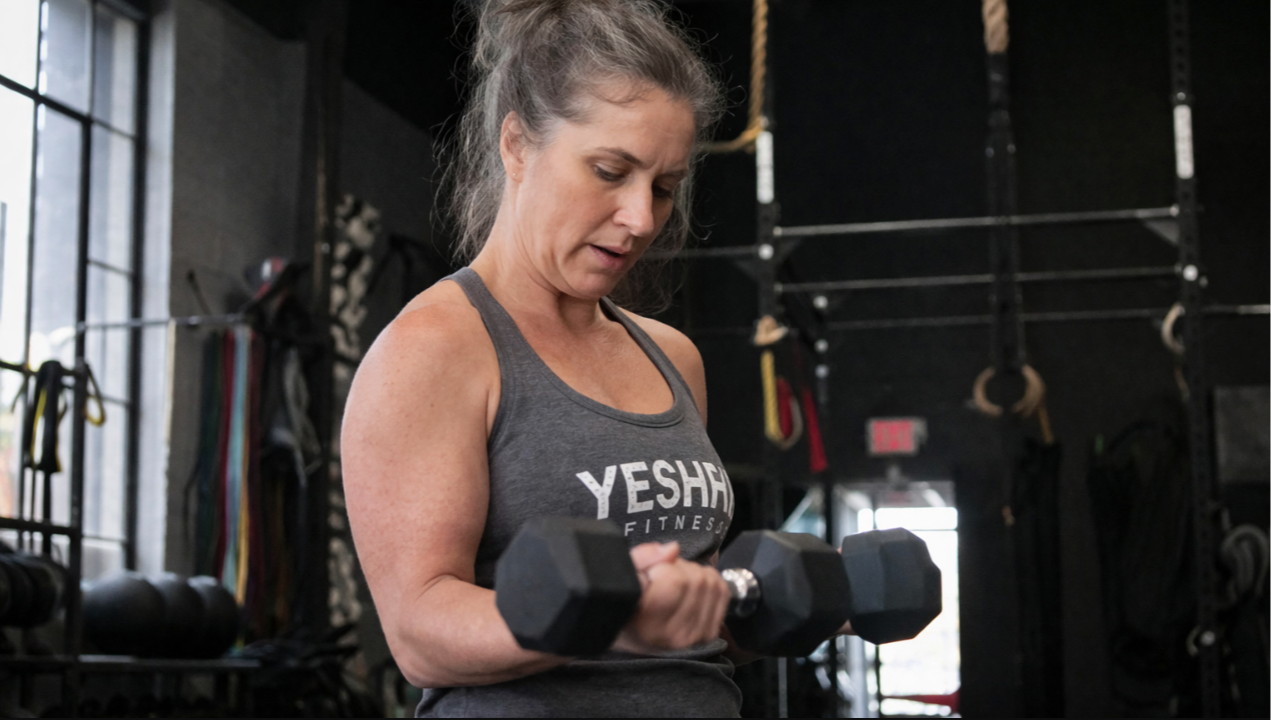
12 Easy Ways to Improve Your Heart Health
Though most of us wait until midlife to take steps to prevent or treat it, heart disease actually begins in childhood—the minute we learn to start shutting down our hearts to avoid feeling disappointment and loss.

Are You At Risk for Broken Heart Syndrome?
We’ve all heard the phrase “she died of a broken heart.” And, I’m sure many of you have experienced the pain of heartbreak. Whether it’s due to the end of a romantic relationship, divorce, death, or other painful circumstances, it can feel like your heart is literally broken.

Heart Palpitations: A Message from Your Midlife Heart
There’s no question that heart palpitations at menopause are related to changing hormones. However, my experience has been that in many midlife women, heart palpitations — also known as rapid heart beat or heart flutter are primarily from increasing heart energy trying to get in and be embodied in a woman’s life.
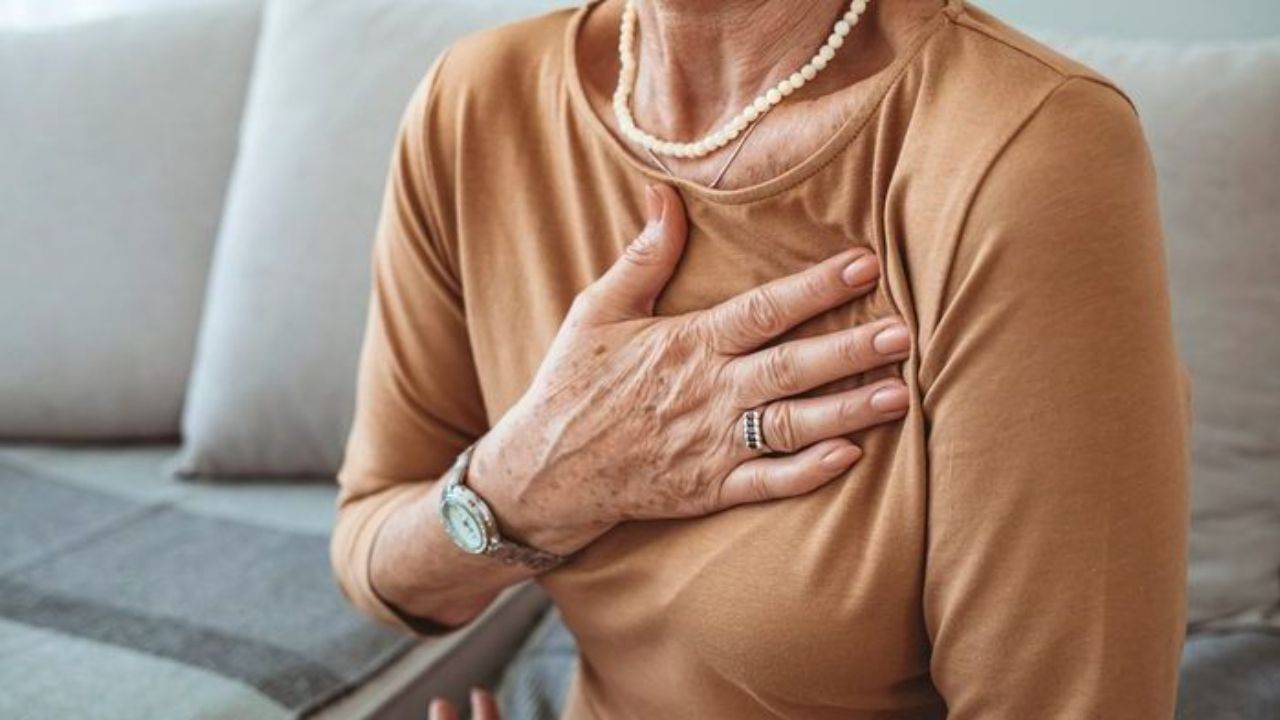
The Truth About Cholesterol
According to the American Heart Association (AHA), heart disease —including hypertension and stroke—is the most frequent cause of death in women today. And, more than 1 in 3 women has some form of cardiovascular disease (CVD). The risk of CVD can be quickly and easily lowered by diet, exercise, and other lifestyle changes, but most doctors focus primarily on lowering cholesterol.

Care for Your Heart and Your Brain Will Benefit
Few would argue that the health of your heart and brain are connected. For one, studies have linked cardiovascular disease with a greater risk of dementia. Often, those with heart disease, especially those with clogged arteries, will also experience reduced cognitive function and anatomical changes in the brain like shrinkage. But it was only recently, that researchers found a similar correlation in people with healthy hearts.

Heart Palpitations
Though rarely dangerous, heart palpitations can be frightening, and like hot flashes they can range from mild to severe. Heart palpitations at menopause are certainly related to changing hormones. But in many midlife women, heart palpitations are primarily caused by increasing heart energy.

Your Heart’s Hidden Cause of Hypertension
While there are factors like high blood pressure or a stressful lifestyle which contribute to hypertension, sometimes the root cause is deep emotional tension from the past..

Hypertension
Contributing factors to hypertension include genetics, obesity, and salt consumption. Anger or stress can elevate blood pressure, as well, although the effect is generally temporary. In fact, blood pressure fluctuates all the time (hour by hour and day by day—sometimes even because of a visit to the doctor!).

How to Lower Your Blood Pressure Without Medication
Blood pressure fluctuates all the time, hour-by-hour, and day-by-day, and there has been extensive over-diagnosis and unnecessary treatment of millions of people because of this. In fact, it’s not uncommon for blood pressure to rise simply in response to a doctor’s visit! This is called the “white coat syndrome” and I’ve seen it repeatedly.
Common Heart Health Concerns and Questions
Your heart responds to the way you live every day—from how you move and nourish yourself to how you sleep, manage stress, and connect with others. These questions explore some of the practical ways you can support a strong, healthy heart throughout your life.
What foods are best for supporting heart health?
How much exercise do I need to keep my heart healthy?
How important is sleep for heart health?
Can my relationships affect my heart health?
Does stress reduction really make a difference to my heart?
When should I be concerned about a change in my heart health?
Health is not the goal of the medical establishment
Sign up for my newsletter and learn the true causes of health