
Welcome to the Movement and Exercise Center - Strength, Mobility, and Lifelong Vitality
Movement is about so much more than burning calories or changing the way your body looks. Your body was designed for life in motion, and regular movement supports nearly every system—from your muscles, bones, joints, and heart to your brain, hormones, nervous system, balance, and energy.
In this center, you’ll discover practical ways to build and maintain strength, improve mobility and flexibility, protect your bones and joints, and stay active as you age. Whether you love walking, strength training, dancing, gardening, stretching, or simply moving more throughout your day, the goal is to find movement that supports your health and brings you joy—not guilt or obligation.
Christiane Northrup, M.D.
Your Body Was Designed for a Life in Motion
Movement is one of the most powerful ways to support your body at every age. Each time you move, you send signals that help strengthen muscles and bones, support your brain and hormones, improve circulation and balance, and regulate your nervous system.
In this section, discover why exercise doesn’t have to be extreme to be effective—and how walking, stretching, strength training, dancing, gardening, and other forms of movement you genuinely enjoy can become an investment in your health, independence, and vitality for years to come.
Why is movement so important for my health?
Movement is one of the most powerful signals you can give your body. When you move regularly, you support circulation, muscle strength, bone health, balance, flexibility, brain function, energy, and the nervous system. Nearly every system in the body benefits in some way from being physically active.
Dr. Northrup encourages women to think beyond the old idea that exercise is primarily about burning calories or losing weight. Movement is about maintaining the strength and physical capacity that allow you to participate fully in your life.
And it doesn't have to happen in a gym. Walking, gardening, dancing, stretching, carrying groceries, strength training, playing with your grandchildren, and simply getting up and moving throughout the day all matter.
What is the best type of exercise for women as they age?
There isn't one perfect form of exercise. A well-rounded approach includes movement that builds strength, cardiovascular fitness, mobility, flexibility, and balance.
Strength training becomes especially important with age because women naturally lose muscle and bone unless we give the body a reason to maintain them. Walking and other weight-bearing activities support overall health and mobility, while stretching and balance work to help preserve the freedom to move confidently.
Find movement you enjoy. Dancing, hiking, gardening, swimming, yoga, walking, or playing a sport can all have a place. Exercise that feels like punishment is difficult to sustain. Movement that makes you feel stronger, more capable, and more alive is much more likely to become part of your life.
How much exercise do I really need to benefit my health?
You don't have to exercise intensely for hours to make a meaningful difference. Movement doesn't need to be extreme to be effective. Walking, stretching, strength training, playing, gardening, dancing, and simply choosing to move more frequently can all contribute to better health.
The key is consistency. Rather than thinking only in terms of a formal workout, look for opportunities to build movement into your day and avoid spending long stretches completely sedentary.
Your needs will vary depending on your age, health, fitness level, and physical limitations. The goal isn't to meet an arbitrary standard or punish your body into submission. It's to keep giving your muscles, bones, heart, brain, and nervous system the stimulation they need to remain strong and capable. Every step really is an investment in your future.
Understanding Movement and Exercise: Key Questions Answered
As your body changes throughout life, the way you move may need to change with it. These questions explore how movement can help you maintain muscle, strengthen your bones, protect your joints, support your metabolism, and preserve the strength and mobility that allow you to stay active and independent as you age.
Why is strength training especially important for women as they age?
How does exercise help keep my bones strong?
Why do my joints feel stiffer or achier as I get older?
Can exercise help with weight and metabolism during menopause?
Why are balance and flexibility so important as I get older?
What if I haven't exercised in years? Is it too late to start?
Healthy Breasts for Life
Click here to register for this free webinar and receive our free bi-monthly newsletter
The Power of Movement Part 1
Exercise is an essential part of a healthy lifestyle and can help prevent many chronic diseases. Yet, many women don’t like to exercise and simply can’t stick with it because they had negative experiences when they were younger. In order to find a fitness routine that you can enjoy and stick with, you need to heal your exercise past. In this video, Dr. Northrup shares how you can overcome your exercise demons, find your own, unique way to move your body, and reap the benefits of exercise so you can stay fit for life.
The Power of Movement Part 2
Exercise is an essential part of a healthy lifestyle and can help prevent many chronic diseases. Yet, many women don’t like to exercise and simply can’t stick with it because they had negative experiences when they were younger. In order to find a fitness routine that you can enjoy and stick with, you need to heal your exercise past. In this video, Dr. Northrup shares how you can overcome your exercise demons, find your own, unique way to move your body, and reap the benefits of exercise so you can stay fit for life.
How To Change Your Habits For Good
In this video, you will learn how to tackle your fears, set goals, change your mindset and have the tough conversations that go along with change at this level. Most of all, you will learn what it feels like to live up to your full potential.
A Fine Balance: How to Rewire Your Brain and Body for A Lifetime of Stability
Did you know that most hip fractures are caused by falls? You are at risk for falls if you don’t have strong stabilizer muscles – those are your core muscles. In this video I show you some exercises that will help you develop good balance so that you never walk like an old person. Get ready to stand up for this one!
What Are Bioidentical Hormones?
What are bioidentical hormones and how do they work in your body? In this video I answer all of your questions about bioidentical hormones..
Dr. Christiane Northrup on The Aging Process
Women’s health and wellness expert Dr. Christiane Northrup speaks on The Secret Pleasures of Menopause at Hay House’s I Can Do It! Conference. The contents of these videos are for informational purposes only and are not a substitute for professional medical advice, diagnosis, or treatment.
Featured Blog Posts
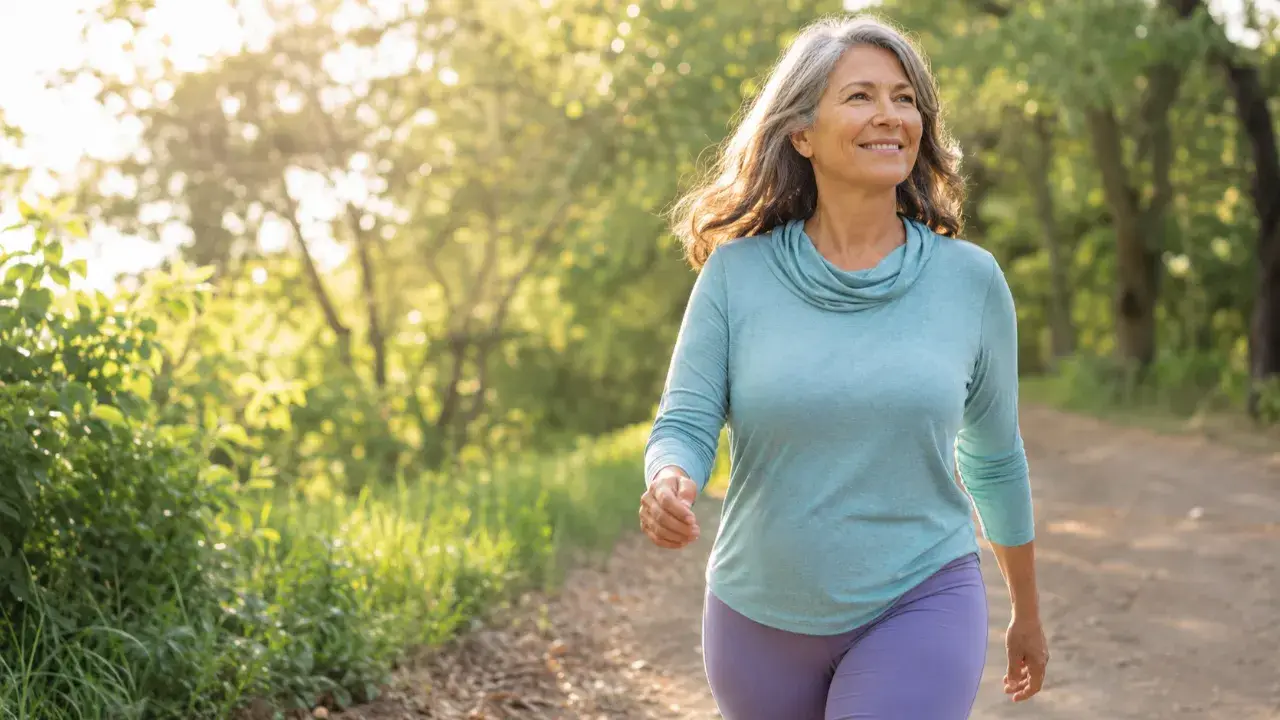
Exercise: Achieve Good Health
Many women have had negative experiences regarding exercise, either as a result of school sports programs or our culture, which both tend to place emphasis on athletic skills rather than fitness. But what young girls often do not understand (and often are not taught) is that being good at batting a ball and being physically fit are not necessarily related.
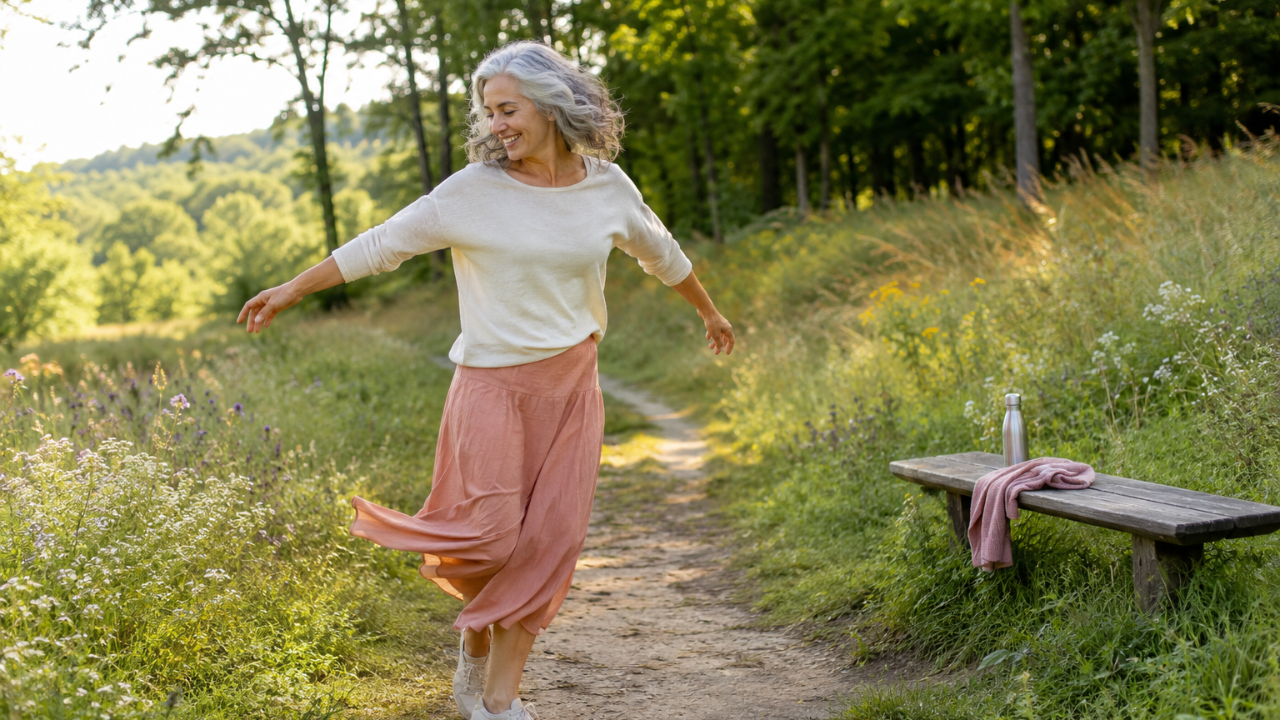
Exercise: Getting Started
Starting an exercise program can seem intimidating, especially if you have not been exercising regularly. The important thing is to just start somewhere. Put on some music and dance for a while and see how it feels. Take a walk and enjoy your surroundings without putting any pressure on yourself with regard to how far or fast you walk. Just do something to wake up your muscles.
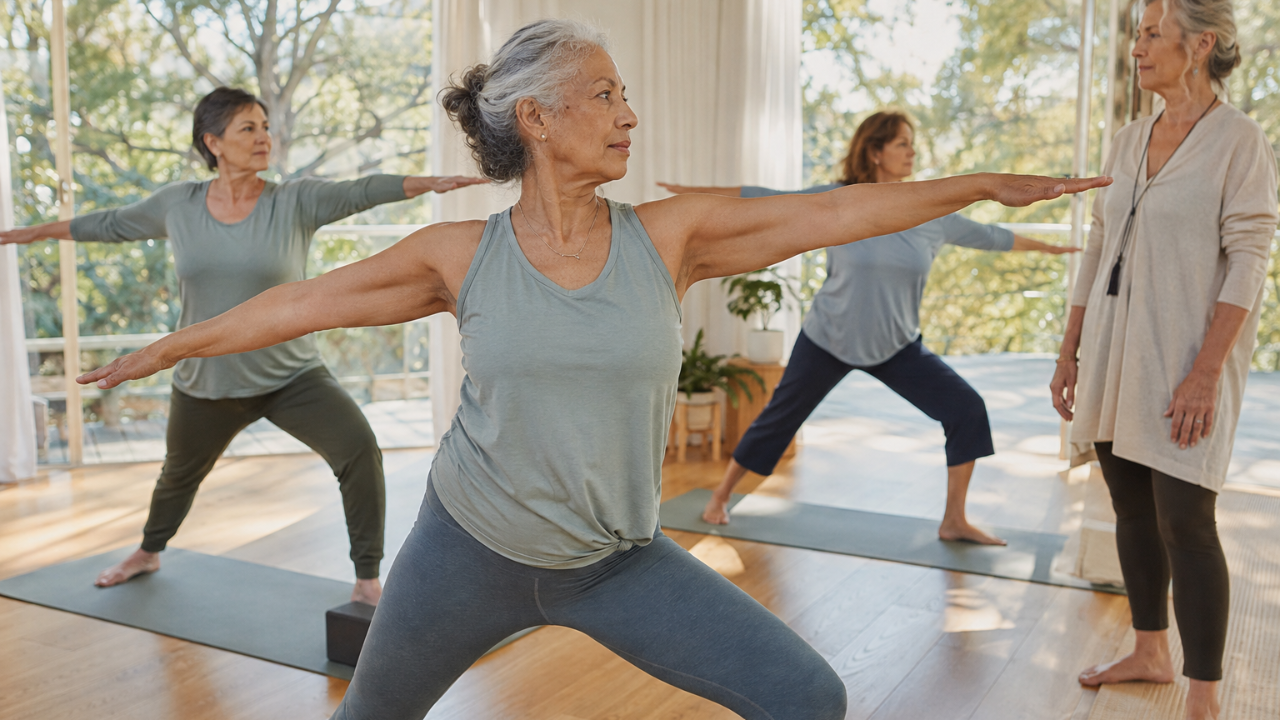
Exercise: Yoga
This 5,000-year-old Eastern discipline has grown popular in the West not only for its physical benefits, but also for its mental and emotional benefits. Yoga literally means “to join together.” The practice of yoga joins the body and mind together through movement, breath and meditation.
Common Movement and Exercise Concerns and Questions
Movement doesn’t have to be strenuous, complicated, or time-consuming to make a difference. These questions will help you find practical ways to move more, work with your body as it changes, and maintain the strength, mobility, and confidence to keep doing the things you love.
Does walking really count as exercise?
Can I exercise if I have joint pain or other physical limitations?
Why am I losing muscle as I get older?
Do I need intense workouts to stay healthy?
How can I motivate myself to exercise when I don't enjoy it?
What can I do every day to stay strong and mobile as I age?
Health is not the goal of the medical establishment
Sign up for my newsletter and learn the true causes of health