
Why You Need a Holistic Dentist
Nov 15, 2023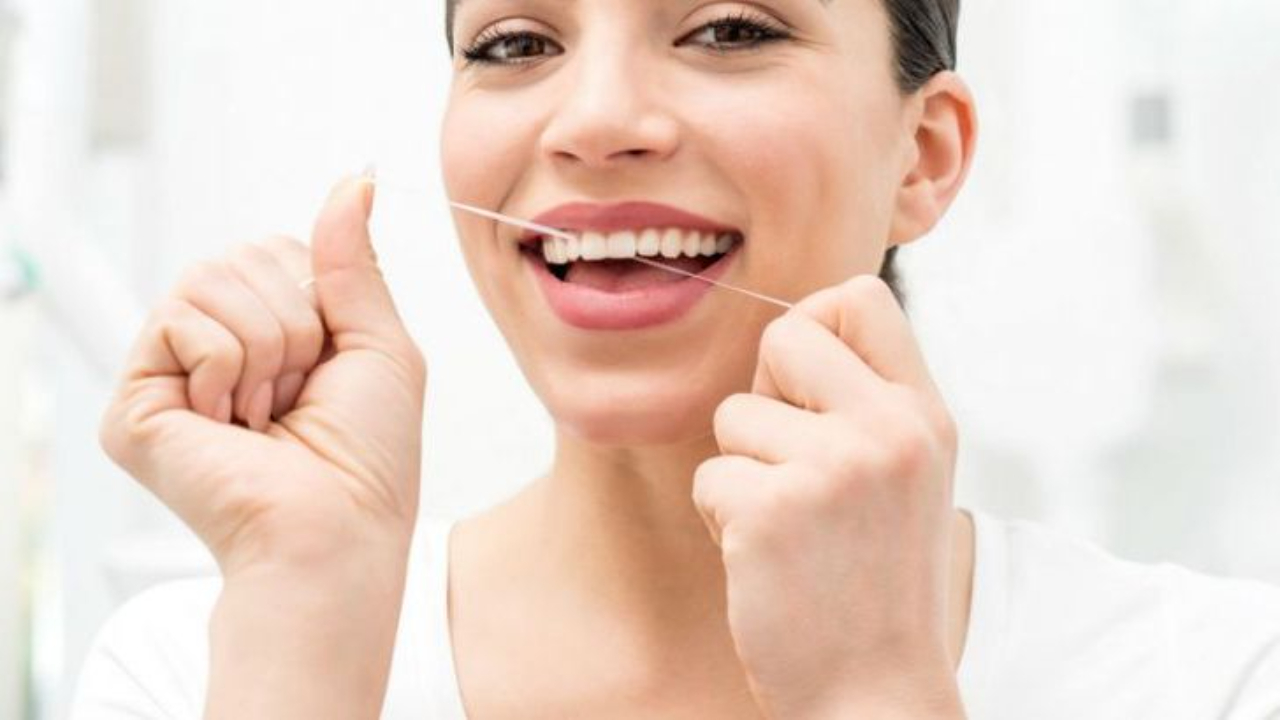
Oral health is crucial for your overall health. And poor oral health is a risk factor for (and may indicate the presence of) chronic diseases such as diabetes, heart disease, and stroke.
I don’t get regular annual health check-ups or disease screenings, but I do get my teeth cleaned twice per year! That said, the recent uptick in fraudulent dental practices is alarming and it pays to be vigilant when it comes to choosing a dentist, and the more holistic the better!
What is a Holistic Dentist?
I am a huge fan of holistic dentists and holistic dentistry. It’s true preventive health care. Holistic dentists practice a form of dentistry that considers a person’s entire state of health—physical, emotional, and even spiritual.
Since 1978, the Holistic Dental Association has supported holistic dentists and helped to educate the public about the health benefits of dentistry. Well before that time my father practiced holistic dentistry. He taught his patients the importance of oral health, and he actually could tell a person’s state of health just by looking in their mouth.
But most holistic dentists advise and offer programs on preventative care that goes beyond practicing good oral hygiene. For example, they may educate you on the importance of good nutrition, advise you to quit smoking, and tell you why you should consume alcohol in moderation if you drink.
Many holistic dentists also use digital X-ray equipment, which means you are exposed to substantially less radiation. And they typically do not take nearly as many X-rays as traditional dentists. In addition, holistic dentists do not us amalgam for topical fluoride.
Many holistic dentists use natural antibacterial agents including ozone treatments when performing common dental procedures such as gum cleanings and removal of amalgam fillings.
How to Know if Your Dentist if Holistic
Views among holistic dentists may differ. Here are some questions you can ask your dentist to determine if the practice is the right fit for you:
- What materials do you use to fill cavities? Holistic dentists do not use metals such as amalgam, nickel, or other metals to fill cavities. Instead, they use composite resin. This practice has also become common among dentists who do not describe themselves as holistic.
- How do you treat gum disease? Using non-surgical approaches to healing gum disease is something that many holistic dentists believe in. Some holistic dentists treat different stages of gum disease using highly effective lasers and ozone treatments to clear the areas of bacteria. They may use an iodine irrigation system to help prevent harmful bacteria from entering the gums. And some may prescribe herbal remedies to promote faster, natural healing.
- What is your view on fluoride? Most holistic dentists are against fluoride treatments because they know that fluoride does not prevent tooth decay and that it can cause long-term health problems, including an increased risk of cancer. Truly holistic dentists do not even offer fluoride treatments. Now, even some traditional dentists are starting to ask parents whether they want their children to have fluoride or not.
- Do you remove wisdom teeth? It seems that removing wisdom teeth has been a rite of passage for young adults for a long time. But it’s not always necessary. In fact, it’s estimated that nearly 2/3 of wisdom tooth extractions are unnecessary. If your wisdom teeth are correctly positioned, fully erupted and not crowding other teeth, you probably don’t need to have them removed. If your dentist routinely removes wisdom teeth even if there is no pain or infection, that is a big clue that he is not holistic.
- Do you perform root canals? Some holistic dentists are firmly against root canals because they believe that root canals can put your health at risk due to the spread of bacteria. These dentists believe that the best option is to pull infected teeth. This way of thinking began in the early 1900s when a dentist named Dr. Weston Price wrote extensively about a wide range of medical problems related to treating infected teeth. You can learn more about Dr. Weston Price’s views on dentistry here.
In my experience, the best holistic dentists are open-minded about root canals and other procedures and treatments, and they may even recommend or perform them. If your dentist says he absolutely never would perform or recommend a root canal or other common procedure, you may want to consider looking for a dentist who is open to evaluating each person—and tooth—individually.
What To Do If You Have Amalgam Fillings
In the past, many dental treatments such as fillings required using substances that we now know can be toxic. For example, most fillings were done with amalgam, which contains more than 50% mercury and can damage your central nervous and immune systems. But not everyone who has amalgam fillings has a problem with them. I am not a fan of amalgams and had all of mine removed in 1985.
If you have amalgam fillings you don’t need to live in fear. Just get regular check-ups and make sure that they are not leaking. Now if you have symptoms that could be attributed to mercury, such as muscle and joint pain, stiffness and cramping, chronic fatigue, chemical or food sensitivities, or significant neurological symptoms that can mimic Multiple Sclerosis and other neurological diseases, then you may want to see about having your amalgam fillings removed.
It’s much easier today to find dentists who really know how to do this safely. One of the best places to get amalgam fillings removed is at Sanoviv Medical Institute’s Sanoviv Amalgam Removal Program (ARP) in Baja California, Mexico.
What To Do If You Need a Root Canal
Root canal surgery is used to save a tooth that is fractured or badly decayed, and to prevent or treat infection. During a root canal procedure, your dentist will remove the nerve and pulp from your tooth, clean the inside of your tooth and then seal it. Traditional dentists will typically treat a bad tooth with medication and lifestyle changes and may delay a root canal procedure until the tooth is in a severe state.
On the other hand, many holistic dentists believe that the time to do a root canal is when the problem is mild. This way the tooth is being treated when it is not in an inflamed state and the nerves inside the tooth haven’t shrunk, which can make the tooth even more difficult to treat. By performing a root canal in the earlier stages, you are more likely to get a good result.
If you have been advised that you need a root canal, be sure to learn everything you can about the procedure, including what medications and tooth-sealing materials your dentist (or endodontist) will use. Also, a root canal can become re-infected if the restoration leaks, so you need to maintain good oral hygiene and be sure to get regular check-ups to ensure that the tooth or the sealing materials haven’t broken down over time.
As with any medical procedure, don’t allow yourself to be pressured into making decisions or undergoing treatment until you have all of your questions answered. Choose the dentist you are most comfortable with and who listens to your needs. You may also want to search the Holistic Dental Association database to find a holistic dental practice near you.
9 Easy Way to Keep Your Mouth Healthy
There are many practices you can employ at home to keep your mouth healthy in between dental visits. Most are simple lifestyle changes that are easy and inexpensive.
- Try oil pulling. Oil pulling is an ancient Ayurvedic dental technique that involves swishing a tablespoon of oil (usually coconut, sesame or olive oil) in your mouth for 10-20 minutes. Then spitting it out. While there is no proof that this technique can draw out toxins from your body, oil pulling is a great replacement for mouthwash because it doesn’t kill all of the good bacteria in your mouth. It may also help to remove plaque and whiten your teeth, among other benefits.
- Ditch the sugar. When you were a child someone probably told you not to eat sugar because it would rot your teeth. And, this one is actually true! Tooth decay happens when the acid in your mouth attacks your enamel and dentine causing cavities. This happens when you eat sugar because plaque uses sugar as fuel, then releases acid as a waste product. So, the sugar you consume actually helps to create an environment that leads to tooth decay.
- Get acupuncture. Each tooth is at the end of an acupuncture meridian. So a problem with a tooth can be an indication that you have an imbalance in another organ or system. In addition, a filling or trauma to a tooth can create chronic stimulation of an organ along its energy meridian and create an imbalance. Acupuncture can help bring your energy system back into balance. Sometimes treating the tooth is necessary as well. For more information, you can download a tooth meridian chart here.
- Quit smoking. There are really no benefits to smoking, just tons of health risks. The important question to ask whenever you put anything in your mouth habitually, whether it be cigarettes, gum, candy, or whatever is this: Why are your oral needs not being met? Do you eat too much processed food? Are you now fully chewing your food enough? Are you stuffing down your needs and “blowing smoke” rather than speaking your truth?
- Brush with hydroxyapatite. Most of the benefits of tooth brushing come from the actual act of brushing not toothpaste, which is often filled with potentially harmful ingredients such as sodium laurel sulfate (SLS), fluoride, artificial flavors, and more. Hydroxyapatite is a mineral that is naturally present in our teeth and bones. As an active ingredient in toothpaste, hydroxyapatite works to re-mineralize, strengthen and protect teeth, and has been shown to reduce cavities. There are several on the market. Another alternative to toxic commercial toothpaste is to create your own paste out of Indian Lilac (neem). Neem has antibacterial properties that help fight the bacteria that cause cavities, plaque, and gum disease. You can also brush with sea salt!
- Use floss. Flossing helps keep your gums healthy and removes bacteria and food from between your teeth where it can cause plaque to form. If you don’t like using floss, you can try air or water flossing with an electric air or water flosser.
- Eat a balanced diet. Like the rest of your body, your teeth need nutrients to stay healthy, especially calcium, phosphorus, vitamin D, and magnesium to build and strengthen tooth enamel and protect your teeth.
- Drink pure water. Water helps wash away food and bacteria left in your mouth. It also neutralizes acid that can erode tooth enamel. Make it a habit to rinse your mouth with water any after meals. It’s best if you can filter the chemicals from your water with a water purification pitcher or system that removes chlorine, fluoride and other toxins.
- Don’t ignore symptoms. Tooth sensitivity or discoloration, bleeding gums, or oral pain may have underlying causes. If something unusual or new has happened to your teeth, gums or mouth, let your dentist know right away.
Steer Clear of Fluoride
Fluoride is a neurotoxin. In 1992, Robert Carlton, Ph.D. called adding fluoride to public water supplies the greatest case of scientific fraud of the century. There are also many causal links between fluoride and cancer, diminished IQ, memory problems, birth defects, behavioral problems, declining birth rates, diabetes, heart disease, thyroid problems, hormonal imbalances, arthritis, and osteoporosis. These have been documented in major medical journals over the decades, and even mainstream media publications such as Time Magazine (2011).
Fluoride can also increase lead absorption. If you have ever read the warning on commercial toothpaste labels, you know they typically tell you to call poison control if you swallow over 0.25 mgs! It’s truly hard to believe we are even still talking about fluoride. Yet, we are being widely poisoned against our consent today.
Gram for gram fluoride is more toxic than lead, and it is equally as toxic as arsenic. In fact, it was used as rat poison, nerve gas and is used in nuclear weapons. In his book The Devil’s Poison: How Fluoride is Killing You, Dean Murphy, DDS documents how he noticed the increasingly prevalent lines and spots he saw on the tooth enamel of children. He noted that they were caused by excessive fluorine exposure and wanted to understand why fluorine caused these marks. He learned that fluoride, like arsenic and lead, accumulate in our bodies blocking our cells’ ability to function properly.
Most people know that fluoride is an ingredient in commercial toothpaste and dental rinses. And many traditional dentists still believe in giving fluoride treatments to children! But that’s not all. Fluoride is hidden in many of the products and foods you use or consume every day such as non-stick cookware, refined sugar, certain medications (including antidepressants, statins among others,) soy and soy baby formula, breakfast cereals, green and black tea, wine, soda, and more. It’s in the water we drink and bathe in. It’s even in the air we breathe.
My recommendation is to avoid commercial dental hygiene products that contain fluoride. You should also drink pure, filtered water and detox your pineal gland with supplements, iodine, boric acid and more on a regular basis.
How do you maintain good oral health? Please leave your comments below.
Author