
Welcome to the Pain Center - Symptoms, Causes and Natural Support
Pain can be frustrating, exhausting, and at times overwhelming—but it is also one of the ways your body communicates with you. Rather than being the enemy, it can offer important insight into what your body needs.
If you've been told, "You just have to live with it", just remember that you really do have options.
Christiane Northrup, M.D.
Understanding the Message Behind Your Pain
Pain is often seen as something to eliminate, but it is first and foremost a signal from the body—an indication that something needs attention, support, or healing. While relief is important, understanding the deeper message behind pain can open the door to more lasting change.
This is a space to explore pain from a broader perspective, including the physical, emotional, and nervous system factors that may be contributing to it, and to discover new ways to support your body’s natural ability to heal.
Is pain always a sign that something is physically wrong?
Not always. While pain can signal injury or inflammation, it can also reflect stress, emotional strain, or nervous system imbalance. The body and mind are deeply connected, and pain often has multiple contributing factors.
Can stress cause physical pain?
Yes. Chronic stress can lead to muscle tension, inflammation, and changes in how the nervous system processes pain, making symptoms more persistent or intense.
Why does pain sometimes continue after an injury has healed?
In some cases, the nervous system can remain in a heightened state, continuing to send pain signals even after the original injury has resolved. This is often related to how the body processes stress and trauma.
Understanding Pain: Key Questions Answered
Pain is not just something to eliminate—it is often a signal from the body reflecting physical, emotional, and nervous system factors.
What if pain doesn't have a clear cause?
How are emotions connected to physical pain?
Is my pain "all in my head"?
What is the mind-body connection to pain?
How does the nervous system affect pain?
What is somatic healing?
The 7 Building Blocks of Health
Inside this free guide, you'll discover:
How to strengthen your natural vitality every single day.
Simple shifts that support your immune system, energy, and longevity.
The truth about your body’s innate ability to heal—and how to activate it.
How to Make Meditation Part of Your Healthy Lifestyle
The health benefits of a daily meditation practice are significant, including decreased cortisol, weight loss, less anxiety, lower heart rate and even less pain. But, many people are intimidated by the idea of meditating or feel that it will be too time-consuming. In this video, Dr. Northrup explains how you can create a meditation practice that you will stick with, so you can easily make meditation a part of your healthy lifestyle.
The Money-Health Connection
Did you know that there is a connection between your health and your wealth?
For example, worrying about money is associated with lower back pain. And, financial problems, just like health problems, are often due to specific behavior patterns. In this video Dr. Northrup helps you understand the money-health connection, gives you ways to identify if you have issues around money, and shares her tips for creating health through money wisdom.
Keep Your Pelvic Floor Healthy for Life
Do you pee when you laugh or cough? If so, you are not alone. Roughly 1 in 4 women have pelvic floor disorders. And urinary incontinence is just one of the symptoms of Pelvic Floor Dysfunction (PFD). Others types of PFD include pelvic fecal (bowel) incontinence, chronic pain, and pelvic organ prolapse. In this video Dr. Northrup tells you ways to keep your pelvic floor muscles healthy so you can avoid or even reverse PFD.
Healing from Frozen Shoulder
Frozen shoulder is a very common occurrence in women between the ages of 40-60 years. The medical term for frozen shoulder is adhesive capsulitis (AC). The symptoms include stiffness, pain, and limited range of motion in your shoulder. In this video, Dr. Northrup tells you how you can regain your mobility and heal from frozen shoulder.
Featured Blog Posts

Breaking the Cycle of Chronic Pain
Every year, millions of women cope with pain. Women are more likely to experience chronic pain syndromes, such as Fibromyalgia, Chronic Fatigue Syndrome, migraines, and other painful conditions, than men. This has a lot to do with your life’s circumstances—and what you believe your life can be like. Layered onto this are real physiological factors that affect the overall health of your body and your ability to heal.
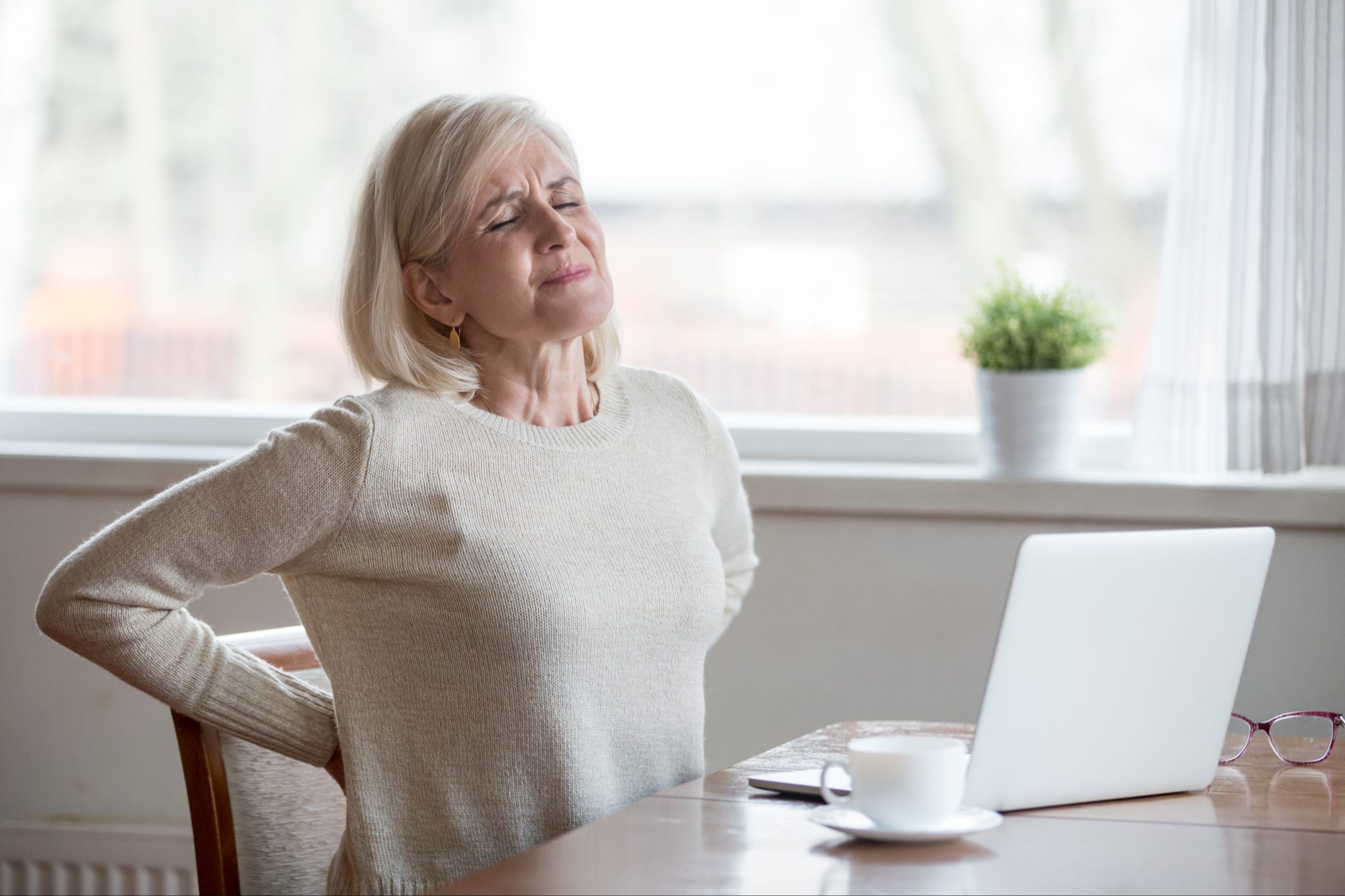
Avoid and Treat Back Pain Naturally
It is estimated that up to 80% of adults will experience back pain in their lifetimes. Back pain is one of our culture’s most debilitating and costly health problems. All you have to do is look up the statistics to see for yourself. And women are more likely than men to experience low back pain.
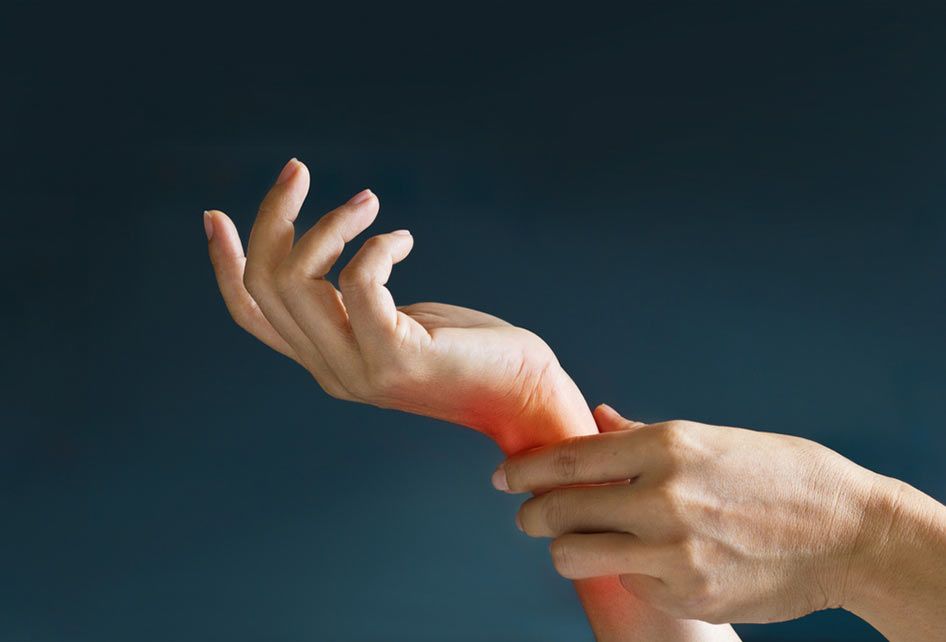
Release Fear and Anger to Heal Arthritis
Many people think that arthritis goes with the territory of aging and that after a certain age it can’t be avoided. As an ageless goddess, I am here to tell you that you don’t have to put up with arthritis and the pain and disability it can bring.

What Is Frozen Shoulder?
Frozen shoulder is a very common occurrence in women between the ages of 40-60 years. Symptoms include stiffness, pain, and limited range of motion in your shoulder. Most doctors believe frozen shoulder is caused by an injury, overuse, or from an underlying condition such as diabetes or rheumatoid arthritis. But, any shoulder problem can lead to a frozen shoulder if you do not work to keep full range of motion.

Strategies to Heal Common Breast Symptoms
Many women experience breast pain. In fact, breast pain (also known as mastalgia or mastodynia) is the number 1 reason women visit clinics specializing in breast care. The burning question that most women with breast pain want answered right away is this: “Is my pain a sign of cancer?” The answer to this is almost always “no.”
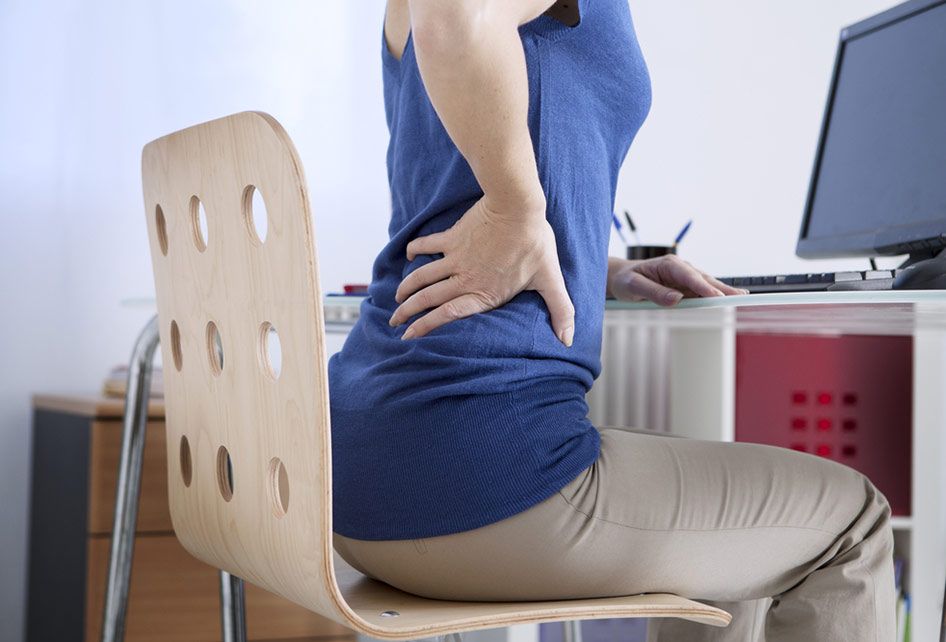
Why Your Psoas Muscle Is The Most Vital Muscle in Your Body
The psoas muscle (pronounced SO-as) may be the most important muscle in your body. Whether you run, bike, dance, practice yoga, or just hang out on your couch, your psoas muscles are involved. That’s because your psoas muscles are the primary connectors between your torso and your legs. They affect your posture and help to stabilize.
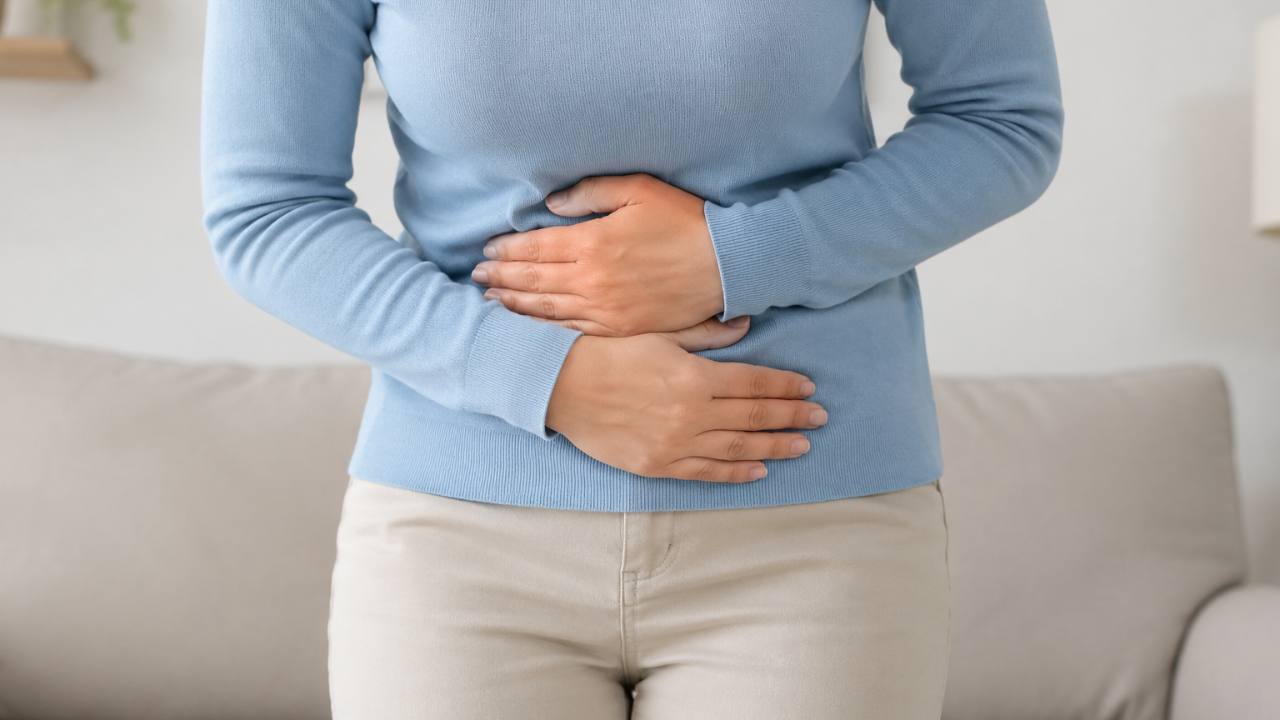
Menstrual Cramps and Pelvic Pain
Starting in the teenage years, half of all women suffer from menstrual cramps (dysmenorrhea). During perimenopause, the tendency toward cramping may worsen because of hormonal imbalance and the conditions associated with it, such as fibroids and adenomyosis.
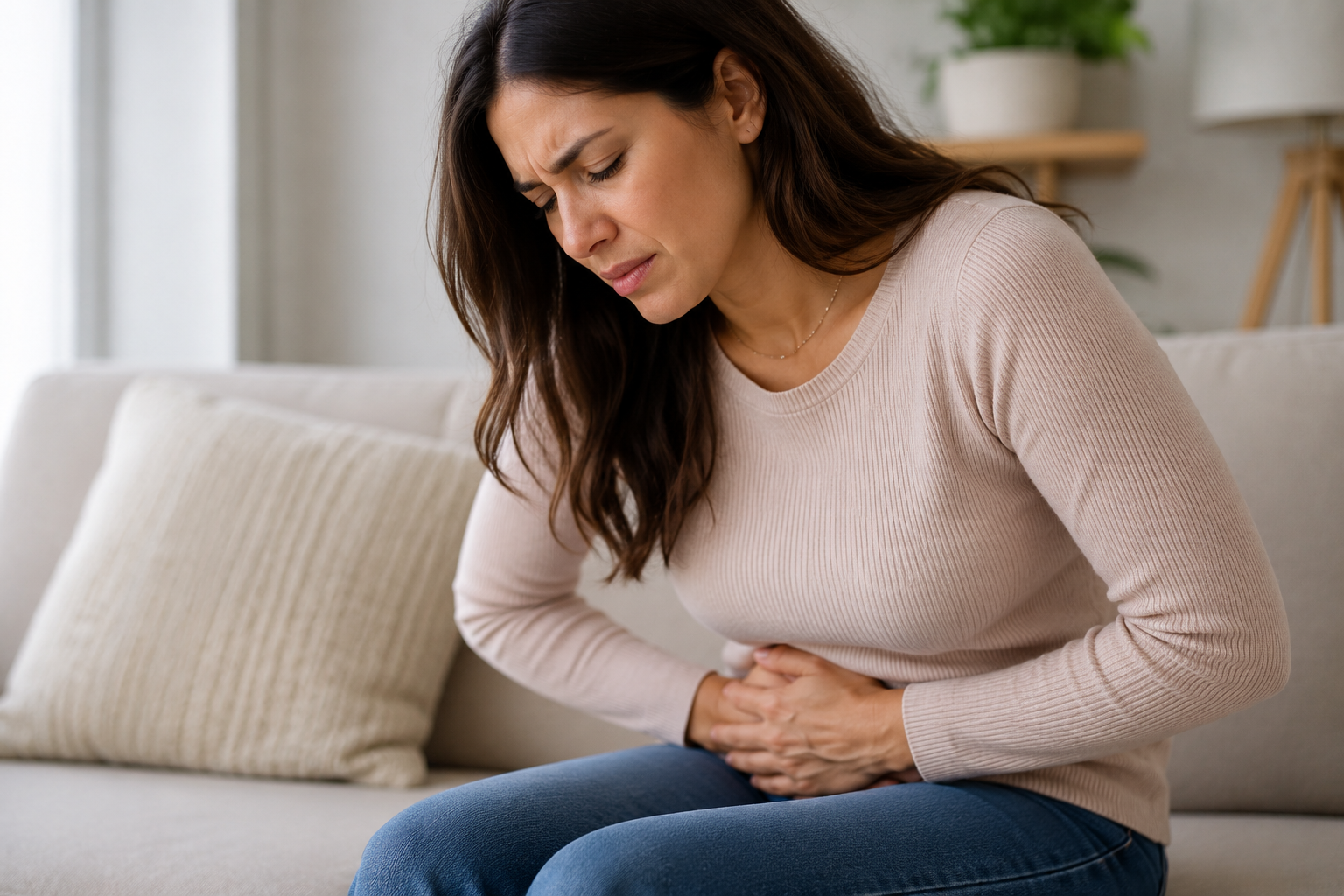
What is Endometriosis? Do You Have It?
Endometriosis is a mysterious and increasingly common condition in which the tissue that forms the lining of the uterus grows in other areas of the pelvis, and sometimes even outside the pelvis entirely. Endometriosis and Pregnancy Endometriosis is sometimes associated with infertility and pelvic pain, though not always.
Why Your Psoas Muscle Is The Most Vital Muscle in Your Body
The psoas muscle (pronounced SO-as) may be the most important muscle in your body. Whether you run, bike, dance, practice yoga, or just hang out on your couch, your psoas muscles are involved. That’s because your psoas muscles are the primary connectors between your torso and your legs. They affect your posture and help to stabilize.
Common Pain Concerns and Questions
Pain is often influenced by physical, emotional, and nervous system patterns that work together within the body. These questions will help you better understand what your pain may be communicating and how to support yourself more effectively.
How can I understand my pain?
What if I've been told I'll just have to live with my pain?
Can pain be part of the healing process?
Are there natural approaches to managing pain?
What role does movement play in reducing pain?
What is one simple way I can start feeling better right now?
Health is not the goal of the medical establishment
Sign up for my newsletter and learn the true causes of health